Garage Door Accessories Every New Homeowner Should Know


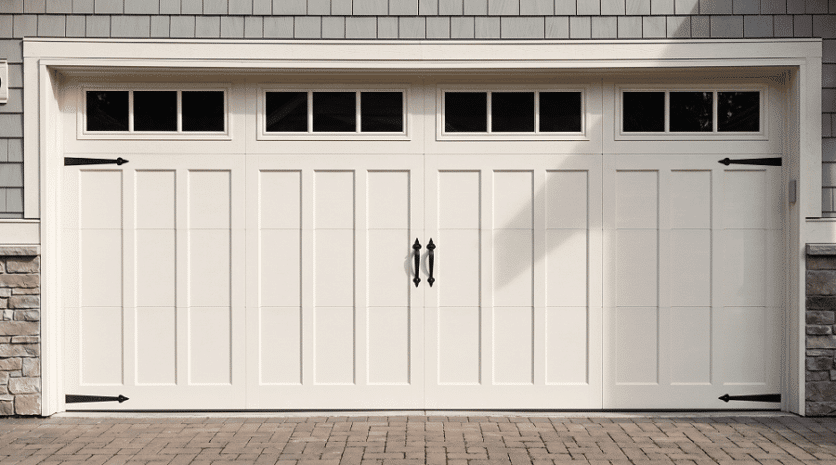
A garage door is one of the largest moving parts in a home, yet many first-time homeowners barely think about it until something goes wrong. That is understandable. During a purchase, attention goes to roofs, water heaters, windows, flooring, and all the visible details that shape daily life. The garage door sits in the background, opening and closing with a button press, quietly doing its job.
Then real life begins. A remote disappears. The keypad stops responding on a cold morning. The bottom seal lets in leaves, water, and mice. A power outage hits and nobody in the house remembers how to open the door manually. That is usually when homeowners realize the system is more than a slab of steel or wood on tracks. It is a working assembly of moving hardware, safety devices, controls, and weather protection. The right garage door accessories make that system safer, more convenient, and less expensive to maintain.
For a new homeowner, the goal is not to buy every add-on on the market. It is to understand which accessories matter, what problems they solve, and where spending a little upfront can prevent aggravation later. Some upgrades are about safety. Some Garage Door Accessories protect the house from drafts, moisture, and pests. Others simply make daily use smoother, especially for households juggling school schedules, sports gear, tools, and multiple drivers.
The accessories that matter most in everyday life
When people hear the phrase Garage Door Accessories, they often think of remotes and not much else. In practice, the category is broader. It includes controls, safety devices, seals, lighting add-ons, reinforcement hardware, and smart connectivity features. Some are essential, some are nice to have, and a few depend heavily on the age and condition of the existing system.
For most new homeowners, the first priority should be reliable access. That starts with the humble remote control, but even here there are choices worth understanding. Older remotes often use fixed codes or aging batteries, and they can be easy to overlook during a home purchase. If the seller hands over one worn remote for a two-car household, that is not enough for most families. A modern rolling-code remote offers better security and less chance of accidental interference. It is a small upgrade, but one that pays off every day.
A wireless keypad is another accessory that often proves its value within the first month. It is easy to underestimate until someone gets locked out during a walk, a child comes home from school before the parents, or a contractor needs temporary access while no one is home. A good keypad lets you avoid hiding a house key under a rock, which remains one of the least secure habits homeowners still cling to. The best models are simple, weather-resistant, and easy to reprogram when codes need to change.
Then there is the interior wall control, which people rarely think of as an accessory because it seems standard. On older systems, though, the wall station may be basic, missing a vacation lock, motion-activated light control, or a timer-to-close feature. If the garage connects directly to the house, an upgraded wall control is worth attention. A vacation lock can disable remote operation when the family is away, which adds a useful layer of security without much effort.
The emergency release cord deserves mention, even though it comes with most openers. Many homeowners have never tested it. That is a mistake. During a power outage or opener failure, this cord is what disconnects the door from the motor trolley so the door can be lifted manually. If the cord is damaged, tied too high to reach safely, or missing its handle, it becomes much less useful in the moment you actually need it. I have seen more than one homeowner discover this during a storm, standing in a dark garage with a car trapped inside.
Weather sealing is not glamorous, but it saves trouble
One of the least exciting Garage Door Accessories is also one of the most valuable: weather sealing. This includes the bottom seal, perimeter weatherstripping along the sides and top, and in some cases a threshold seal mounted to the floor. None of these will make the garage look impressive to guests. All of them can make the space cleaner, drier, and easier to live with.
The bottom seal is the strip attached to the lower edge of the door. Over time it hardens, cracks, flattens, or tears. Once that happens, outside air, rain splash, dust, and insects start finding their way in. In snowy climates, a worn seal can leave meltwater under stored boxes and tools. In hot climates, it lets heat pour in and makes an already warm garage even harder to tolerate. Replacing a seal is usually inexpensive, and the improvement is immediate.
Perimeter weatherstripping performs a similar role around the edges. If you can see daylight around the closed door, the seal is no longer doing its job. Beyond comfort, this matters because garages often share walls with conditioned living space. Every draft coming through the garage can affect adjacent rooms, especially if the house has a bedroom over the garage or a laundry room next to it.
A threshold seal on the floor can help if the driveway slopes toward the garage or if wind-driven rain tends to blow under the door. It is not the first accessory every homeowner needs, but it can solve a specific nuisance very effectively. It also helps contain leaves and grit, which means less sweeping and less dirt tracked into Garage Door Accessories the house.
Safety sensors are small, critical, and often misunderstood
If there is one accessory category homeowners should never ignore, it is safety sensors. These are the photo-eye units mounted low on both sides of the garage door opening. Their job is to detect an obstruction and prevent the door from closing on a person, pet, or object. When they are aligned and clean, they are easy to forget. When they are bumped by a bicycle tire, coated in cobwebs, or loosened by vibration, the door starts acting strangely, often reversing for no obvious reason.
That behavior annoys people, and the temptation is to blame the opener. Sometimes the opener is the issue, but misaligned sensors are one of the most common causes of unexplained reversing. The fix is often simple: clean the lenses, check for solid indicator lights, and make sure both units face each other properly. Homeowners should treat those little devices with more respect than they usually get. A modern garage door can weigh hundreds of pounds. The safety system is not optional decoration.
If your newly purchased home has an older opener without photo eyes, or with damaged sensors that no longer function correctly, bring that to the top of your maintenance list. This is not the place to postpone repairs. In most cases, an opener old enough to lack modern safety requirements is also old enough to justify replacement rather than piecemeal tinkering.
Reinforcement hardware matters more than many people realize
A garage door does not have to be visibly broken to need reinforcement. If the opener strains, the top section flexes when the door starts moving, or the door rattles excessively, the problem may be less about the motor and more about the door structure. Reinforcement brackets and struts help distribute forces and reduce panel stress, especially on wider doors.
This becomes especially important if you install a garage door opener on a manual door that was never reinforced for powered lifting. It also matters in windy regions, where extra bracing can help the door resist deflection. The details vary by door type and local conditions, but the principle is straightforward: a door under repeated stress benefits from support in the places where force concentrates.
One common example is the opener reinforcement bracket mounted at the top section where the arm attaches. Without proper bracing, that panel can fatigue over time. I have seen doors with cracked top sections that might have lasted years longer with a modest reinforcement kit installed early on.
Rollers and hinges are sometimes overlooked because they feel like core parts rather than accessories, but in real maintenance terms they function like upgrade components. Nylon rollers with sealed bearings, for example, can make an older system noticeably quieter than metal rollers. For a detached garage, that may not matter much. For an attached garage under a bedroom, it matters a great deal at 6:15 in the morning.
Smart controls are useful, but only when they solve a real problem
The rise of smart home products has reached garage doors in full force. You can now add Wi-Fi connectivity, app control, open and close alerts, guest access scheduling, and integration with broader home automation systems. Some of these features are genuinely helpful. Some are just extra layers between you and a simple door.
For many homeowners, the most practical smart accessory is a monitor and control system that confirms whether the door is open or closed when you are away. That feature alone prevents a lot of second-guessing. Anyone who has driven halfway to work and wondered whether the garage was left open understands the value immediately. Being able to check and close it from a phone is not flashy, it is just useful.
Guest access can also be practical. If a dog walker, cleaner, family member, or delivery person needs occasional garage entry, temporary digital access is often better than handing out physical remotes. The key is keeping the setup simple and secure. If the app is clumsy, notifications are inconsistent, or the Wi-Fi signal in the garage is weak, the system becomes one more thing to troubleshoot.
That is the trade-off with smart Garage Door Accessories. They expand control, but they also add dependencies. A standard remote rarely fails because the router rebooted. A cloud-based app can. For that reason, I usually advise homeowners to treat smart control as an addition, not a replacement. Keep physical remotes, maintain a working keypad, and know how to use the manual release. Layers are better than single points of failure.
Battery backup is worth serious consideration
In some areas, a battery backup on the opener is a convenience. In others, it is close to essential. If your neighborhood sees regular power outages from storms, utility shutoffs, or grid instability, a backup battery lets the opener run for a limited number of cycles when the electricity is out. That can be a huge help if the garage is your main entry point.
Without battery backup, you are relying on manual operation. For a balanced door in good condition, that is manageable. For a heavy wooden door, a stiff older spring system, or a household member with limited strength or mobility, it may not be. This is one of those upgrades that feels unnecessary right up until the first outage.
Battery systems do need maintenance. They have a finite service life, usually several years depending on usage and temperature conditions. Homeowners who install them should put a reminder in the calendar to test and replace them when needed. A dead backup battery provides exactly the same benefit as no battery at all, but with extra false confidence.
Lighting and visibility can change how a garage feels
Good lighting is not the first thing people associate with garage door systems, but it affects convenience and safety more than expected. Many opener units include built-in lighting, yet older fixtures are often dim, poorly placed, or activated for too short a time. Motion-sensitive wall controls or upgraded LED-compatible opener lights can improve visibility dramatically.
This matters if the garage doubles as a workshop, storage room, laundry overflow zone, or regular entryway. Better lighting helps prevent trips over sports equipment, power tools, and bike pedals. It also makes it easier to inspect tracks, springs, and seals before a small issue turns into a service call.
Exterior lighting integrated near the garage entry is another practical improvement. If the garage sits at the side of the house or opens onto an alley, visibility is part of security. A well-lit approach deters nuisance activity and makes keypad use easier at night, especially in winter when people come and go in the dark.
The accessories most new homeowners should think about first
Not every household needs every upgrade, but a few items stand out as practical starting points for most homes:
- A modern rolling-code remote for each regular driver
- A wireless keypad with a code you can easily change
- Fresh weather seals at the bottom and perimeter of the door
- Confirmed working safety sensors, properly aligned and tested
- Battery backup or smart monitoring if outages or access concerns are common
That list is not glamorous, but it reflects what tends to matter after the moving boxes are unpacked. These are the accessories that solve common daily frustrations and reduce avoidable risks.
A word on security, because garage access is house access
Homeowners often think about front door security in detail and garage security almost not at all. That is backwards in many houses. The garage may contain tools, bikes, seasonal gear, and expensive equipment. More importantly, attached garages often provide direct access to the home. Weak controls at the garage can undermine stronger habits everywhere else.
Start with the basics. Reprogram remotes and keypad codes after moving in, especially if you are not certain how many copies the previous owner distributed. This is one of the simplest reset steps in a newly purchased home and one of the most commonly skipped. If the opener manual is missing, most manufacturers provide model-specific instructions online.
A lock feature on the wall console is a useful safeguard during vacations. Shielding the emergency release from simple fishing attempts can also be worthwhile if the door has vulnerable top panel gaps, though any security add-on must preserve safe emergency use from inside. Judgment matters here. You want to deter unauthorized access without making the system unsafe or impossible to operate during a real emergency.
When to repair, when to upgrade, and when to replace
Accessories can improve a lot, but they are not magic. If the door is badly out of balance, tracks are bent, springs are worn, or the opener is decades old and unreliable, no collection of add-ons will make the system sound. New homeowners sometimes spend money on remotes, keypads, and smart modules before addressing basic mechanical problems. That is like buying a better stereo for a car with failing brakes.
A healthy garage door should move smoothly, stay reasonably balanced, and not sound like it is fighting itself every cycle. If it jerks, binds, slams, or reverses unpredictably, start with a professional inspection. Springs, cables, and high-tension components are not good beginner DIY projects. Controls and seals are often homeowner-friendly. Torsion hardware is not.
That said, many meaningful improvements are simple. Replacing weatherstripping, adding a keypad, swapping old rollers for quieter ones, or upgrading wall controls can usually be done without major reconstruction. The trick is knowing whether you are refining a good system or trying to rescue a failing one.
How to shop without overbuying
The garage door aisle, whether online or in a home center, can tempt homeowners into buying accessories that do not match their opener, door type, or actual habits. Compatibility matters. So does climate. So does the difference between a detached storage garage and the main daily entrance to an attached home.
Before purchasing, keep these questions in mind:
- Is the accessory compatible with your opener brand and model
- Does it solve a problem you actually have, not one invented by marketing
- Will it improve safety, security, comfort, or reliability in a noticeable way
- Can you maintain it, including batteries, programming, or seasonal checks
- Is the core door system healthy enough to benefit from the upgrade
Those five questions prevent a lot of wasted money. They also push attention back to the real goal, which is not gadget accumulation. It is a garage door system that works dependably, closes safely, seals properly, and gives you access without drama.
The small details that seasoned homeowners learn to respect
There is a certain pattern you notice after enough years around houses. The small, boring components are often the ones that shape day-to-day satisfaction the most. Not the big-ticket items, not the flashy smart features, but the rubber seal that keeps out rain, the keypad that saves a child from waiting outside, the battery that lets the door open during an outage, the rollers that stop the whole house from rumbling before sunrise.
Garage Door Accessories fall squarely into that category. They are not usually the reason someone buys a home. They rarely appear in listing photos. But once you own the place, they affect convenience, security, noise, energy performance, and maintenance costs in very practical ways.
A new homeowner does not need expert-level knowledge of every bracket and sensor. What helps is knowing where the weak points tend to be, what the most useful upgrades look like, and which accessories deserve attention before a problem becomes urgent. If you take stock of the controls, seals, safety devices, and backup options early, you put yourself in a much better position than the average owner who waits until the first failure.
That is usually how garage systems reward attention. A little foresight, a few smart accessory choices, and routine checks tend to keep them boring in the best possible sense. They open, they close, they stay out of your way, and your house runs a little more smoothly because of it.
Select Garage Doors
11479 Pine Dr, Parker, CO 80134, United States
+1 303-228-0018
FAQ About Garage Door Accessories
What are garage door parts called?
Common door components include panels, hinges, rollers, tracks, springs, cables, and weather seals. The opener is a separate operating system, with accessories such as remotes, keypads, and compatible smart controls. Identify the door and opener model before choosing a part; springs, cables, and other loaded components should be assessed and serviced by a trained garage door technician.
What garage door supplies do I need?
The right supplies depend on the problem or upgrade you want to address. Common accessories include replacement remotes, wireless keypads, weather seals, decorative handles and hinges, and compatible smart controls. Check model compatibility and the manufacturer's instructions before buying. A technician can inspect the system and recommend suitable accessories without replacing otherwise serviceable equipment.
Where can I find garage door accessories in Parker?
Select Garage Doors supplies and installs garage door accessories for Parker homeowners. Contact the company with your opener brand and model, door details, and the upgrade you want so it can confirm compatibility, availability, pricing, and installation requirements. Confirm collection or appointment arrangements before visiting.
Ends · CHARLIEOYDK721