Energy-Efficient Garage Door Accessories in Parker for Modern Homes
A garage door is one of the largest moving systems in any home, and in Parker it often does more work than homeowners expect. It faces dry summers, sudden temperature swings, winter cold snaps, dust, wind, and the steady wear that comes from daily use. When people think about efficiency upgrades, they usually picture attic insulation, windows, or HVAC equipment. The garage door rarely gets the same attention, even though it can affect comfort, energy use, noise levels, and day-to-day convenience.
That matters even more in modern homes where the garage often shares a wall with a living room, mudroom, laundry area, or even a finished bonus room above. In those layouts, a poorly equipped garage door can leak conditioned air, create hot and cold pockets, and force mechanical systems to work harder. The good news is that you do not always need a full door replacement to see meaningful improvements. The right accessories can tighten performance, reduce waste, and make the entire system feel more refined.
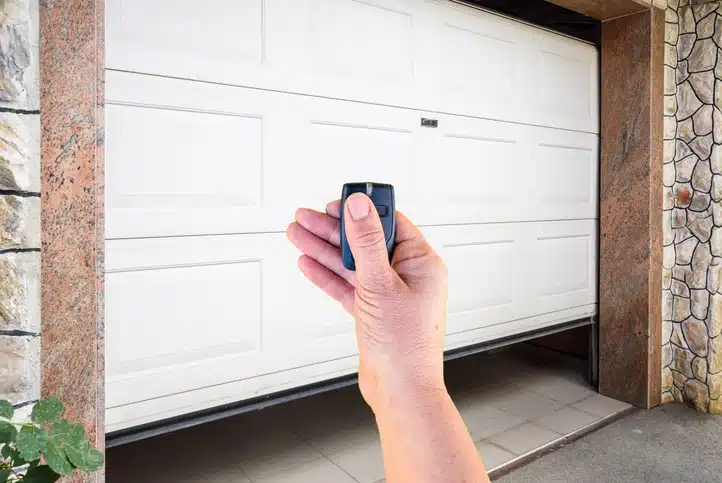
Homeowners searching for Garage Door Accessories Parker often start with remotes or keypads. Those certainly matter, but energy efficiency comes from a different category of upgrades, parts that improve sealing, reduce idle power draw, manage lighting intelligently, and keep the opener working with less strain. Some are inexpensive. Others take more planning. The smartest approach is to match accessories to the way the garage is actually used.
Why the garage door deserves an efficiency upgrade
A garage door is not just a panel that opens and closes. It is a system made up of weather seals, tracks, rollers, springs, hinges, sensors, an opener, and often lighting and smart controls. If even one piece underperforms, the whole assembly loses efficiency. I have seen garages with well-insulated doors that still leaked enough air around the perimeter to make the upgrade feel wasted. I have also seen relatively basic doors perform surprisingly well once the seals, opener settings, and accessory choices were improved.
In Parker, wind and dust can expose weak spots fast. Bottom seals get brittle. Side and top weatherstripping flatten out. Light bulbs in older openers burn more power than necessary and fail early in cold weather. A motor that strains because of old rollers or poor balance consumes more electricity and usually gets louder over time. None of these issues sounds dramatic on its own, but together they can turn a decent garage into a heat sink in winter and a heat trap in summer.
For attached garages, that transfer can affect rooms you actually live in. Floors above garages are a common complaint area. So are walls shared with kitchens and entries. If you have ever noticed a cold draft near the door from the garage into the house, the problem is often not the interior entry door alone. It is the garage envelope losing control at the big opening.
Start with the seals, because they do more than most people think
If I had to choose one accessory category with the best return for most homes, it would be weather sealing. People sometimes treat seals as minor trim pieces, but they control air movement, moisture intrusion, and debris far more than they get credit for.
The bottom seal is the first place to look. Over time, rubber and vinyl compress, crack, or lose flexibility. Once that happens, gaps form where the door meets the slab. In Parker, where concrete floors can shift slightly and dust finds every opening, a worn bottom seal can let in cold air, water from snow melt, and fine debris. A quality replacement seal with the right profile can make an immediate difference. The key is fit. A seal that works well on one door may not seat properly on another, especially if the floor is uneven.
Perimeter weatherstripping on the jambs and header matters just as much. When it is installed correctly, it lightly compresses against the closed door without binding. Too loose and it leaks. Too tight and the door may not close cleanly or may wear the opener harder than necessary. That balance is where experience shows. I have watched homeowners install new side seals that looked perfect from the driveway, only to discover daylight at the corners from inside the garage. Corners are where rushed work shows up first.
Threshold seals can help in specific situations, especially garages with minor slope issues or wind-driven dust. They are not right for every home. If water drainage is already poor, adding a threshold without addressing the underlying grade can create a different nuisance. But in the right setup, a low-profile threshold paired with a new bottom seal can sharply reduce infiltration.
Insulation accessories and thermal control beyond the door itself
When homeowners hear "energy-efficient garage door," they usually think about insulation panels. Those can help, especially on older non-insulated doors, but they are only part of the thermal picture. A garage does not need to be heated like a family room to benefit from more stable temperatures. Even moderating extremes can protect stored items, reduce discomfort, and ease the temperature swing felt in adjacent spaces.
Insulation kits for sectional doors can be worthwhile when matched to the door structure. Lightweight reflective kits often promise more than they deliver in harsh conditions. Denser rigid panels typically perform better, but they add weight. That matters because garage doors are carefully balanced systems. Add enough material and you may need spring adjustment to keep the opener from working harder than it should. This is one of those upgrades that seems simple until the door starts moving unevenly or sounding strained a few weeks later.
The accessory conversation should also include insulated seals around the perimeter, retainer systems that hold bottom seals more securely, and garage door window inserts or shades where excessive solar gain is a problem. South- or west-facing garages in Parker can become ovens in late afternoon. If the door includes unshaded glazing, interior heat build-up can be significant. A modest accessory upgrade there may do more for summer comfort than another layer of panel insulation.
For finished garages used as workshops, home gyms, or hobby spaces, thermal performance becomes even more important. In those cases, people often discover that the garage door is the weak link after they have already insulated walls and ceiling. Accessories that tighten that opening are not glamorous, but they tend to be the upgrades people appreciate every single day.
Openers can save energy too, especially newer DC systems
Not every efficiency gain is about insulation. The opener itself can reduce power use, cut wasted light operation, and lower mechanical strain. Older chain-drive units with AC motors are durable, but many draw more standby power, run louder, and offer less refined control than modern DC openers. For households that use the garage as the main entrance, those differences add up.
A modern opener with a DC motor usually starts and stops more smoothly. That soft start and soft stop behavior is not just about quietness. It reduces jolts on the door sections, hinges, and track hardware. Over time, less abrupt movement can mean less wear and fewer small alignment issues that make the system less efficient. A smoother-running door generally asks less of the motor.
Integrated LED lighting is another accessory feature that earns its keep. Compared with older incandescent opener bulbs, LED modules draw less power, last longer, and perform better in cold conditions. The better units also spread light more effectively across the garage rather than creating one harsh bright spot under the motor head. If your garage is a work area as well as a parking space, improved lighting can reduce the temptation to leave extra fixtures on.
Battery backup systems deserve mention here too. They are usually discussed as convenience or safety features, but they can be useful in areas where weather events or grid interruptions occasionally affect service. A battery backup does not make the system inherently more energy efficient, yet it supports reliable operation without forcing workarounds. In practice, reliability often shapes whether people keep systems maintained and properly adjusted.
Smart controls help, but only when they solve a real problem
Smart garage accessories can support efficiency, though not always in the way marketing suggests. The main value is awareness and control. If a door is accidentally left open during a cold evening or a hot windy afternoon, a smart controller with status alerts can prevent hours of unnecessary temperature loss or gain. That may sound small, but anyone who has found a garage door open overnight in January understands the point immediately.
Scheduling features can also help with lighting and auto-close settings. If your opener or accessory package allows motion-activated LED lighting with a sensible shutoff timer, you waste less electricity than with older fixtures that stay on because someone forgot the wall switch. Some systems also let you review activity logs, which can reveal patterns. A family with teen drivers, for example, may realize the door cycles far more often than expected, which can help explain wear and motivate preventative service.
That said, not every smart feature is worth paying for. App control is useful. Accurate open/closed status is useful. Reliable alerts are useful. Complicated integrations that add little beyond novelty are easy to skip. I have seen homeowners spend on features they stop using after a month while ignoring the worn seals and noisy rollers that affect efficiency every day. The accessory should serve the home, not the other way around.
Quiet hardware often overlaps with efficient hardware
Efficiency and noise reduction are closely related in garage door systems. When a door runs smoothly, it usually wastes less energy through friction, vibration, and poor balance. Nylon rollers are a good example. Compared with older metal rollers, quality nylon rollers often run quieter and with less resistance. They can make a garage feel more modern without changing the door itself.
Hinges, bearings, and properly matched torsion springs matter too. These are not the accessories people tend to browse first, but they influence how hard the opener has to work. A well-balanced door should be easy to lift manually and should not drift aggressively when opened partway. If it does, the opener is compensating for a mechanical issue every time it runs. That means more wear, more noise, and less efficient operation.
Lubrication also counts, though it is easy to get wrong. The right garage door lubricant applied to rollers, hinges, and springs can reduce friction and extend component life. The wrong product, especially one that attracts dust or gums up in temperature swings, can create a mess and degrade performance. In dusty climates, I have seen over-lubrication become its own Garage Door Accessories Parker maintenance problem.
The accessories that usually deliver the best value
For most attached homes in Parker, a few upgrades tend to outperform the rest when measured by daily benefit, cost, and ease of implementation.
- Bottom seal replacement with a proper fit for the door and floor
- New perimeter weatherstripping at the sides and top
- LED opener lighting or opener upgrade to an efficient DC model
- Nylon rollers for smoother, quieter movement
- Smart control with open-door alerts, if the garage is frequently used
This is not a universal ranking. A detached garage used mostly for storage may not need smart control at all. A newer insulated door may already have a decent bottom seal but still suffer from a power-hungry opener. The point is to prioritize what affects your home most.
When accessory upgrades make more sense than a full door replacement
A complete garage door replacement can be the right move, especially if the door is damaged, poorly insulated, or near the end of its service life. But many homeowners jump there too quickly. If the door panels are structurally sound and the overall fit is decent, accessories can stretch performance much further than expected.
This is especially true for homes where the main complaints are drafts, noise, inconsistent closing, or poor lighting. Those are often fixable without replacing the whole door. A thoughtful package of new seals, better rollers, opener improvements, and balance correction can transform the user experience for far less than a full install.
Where accessories fall short is on doors with major panel warping, severe rust, failing structural hardware, or very low inherent insulation in a garage that needs meaningful thermal control. In those cases, add-ons become patchwork. That is where honest assessment matters. The goal is not to save money at all costs. It is to spend where results are real.
Choosing accessories for Parker’s climate and home styles
Parker homes range from newer builds with integrated smart systems to older properties with basic builder-grade garage hardware. Climate and orientation matter as much as age. A north-facing garage may struggle more with winter cold and lingering ice. A west-facing garage may face punishing afternoon heat. Wind exposure can vary dramatically between neighborhoods and lot positions.
Material selection should reflect that reality. Seals need to stay flexible through seasonal shifts. Lighting should perform in low temperatures. Smart components need reliable connectivity where the garage sits at the edge of the home’s Wi-Fi range. If the opener loses connection every few days, the feature stops being useful.
Modern homes also tend to ask more from the garage. Package deliveries, second refrigerators, EV charging, home gyms, and workshop storage all increase the value of a more stable environment. That is why the phrase Garage Door Accessories Parker has become broader than it once was. Homeowners are no longer shopping only for convenience items. They are looking for accessories that help the garage function as a better part of the house.
A practical way to evaluate your current setup
Before buying anything, spend twenty minutes observing the door. That quick audit usually tells you where the money should go first.
- Look for daylight around the edges when the door is closed
- Stand inside during a windy day and feel for drafts at the perimeter
- Listen for grinding, rattling, or abrupt starts and stops
- Check whether the opener lights are efficient and bright enough
- Notice whether the door is often left open by mistake
That simple review is often more useful than reading spec sheets. If you feel a strong draft at the bottom corners, start with sealing. If the door shudders and bangs, focus on rollers, balance, and opener condition. If the door works fine mechanically but family members forget to close it, smart monitoring may deliver the biggest real-world efficiency gain.
Installation quality decides whether the accessory performs
Garage Door Accessories ParkerThis is the part homeowners often underestimate. Accessories are only as effective as the installation and adjustment behind them. A premium seal installed on a door with poor alignment will still leak. An efficient opener connected to a badly balanced door will still work harder than necessary. A smart controller attached to a flaky network will frustrate more than it helps.
The most successful upgrades usually happen when someone looks at the entire system rather than swapping one item in isolation. That is why a service visit with a competent technician often uncovers things a product page cannot. They may find a bent track bracket, a compressed top seal, rollers nearing failure, or spring tension that is slightly off. None of those issues may be dramatic alone. Together, they shape performance.
For homeowners who like to handle basic improvements themselves, there is still value in knowing where to stop. Replacing a battery, pairing a keypad, or swapping a light module is one thing. Adjusting springs or correcting a balance problem is another. Garage doors carry enough stored force that judgment matters more than enthusiasm.
The long-term payoff is usually comfort, not just utility savings
People often ask whether these accessories "pay for themselves." Sometimes they do in straightforward energy terms, especially in attached garages with major air leakage. But the better way to think about value is broader. A tighter garage is cleaner, quieter, and more comfortable. Adjacent rooms may feel less drafty. The opener may last longer. The door may sound like it belongs in a modern home instead of an old warehouse.
That quality-of-life payoff is real, and it is often why homeowners end up happiest with these upgrades. They stop hearing the rattling from the bedroom above the garage. They stop sweeping windblown dust off stored items every week. They notice the mudroom stays more stable during a cold snap. Those are not flashy changes. They are the kind that make a house work better.
Energy-efficient accessories are most effective when they are selected with clear priorities and installed with care. For Parker homeowners, that usually means starting with sealing, then improving the opener and hardware where needed, and adding smart control only when it solves an everyday problem. Modern homes benefit from that kind of practical refinement. The garage may not be the first place people think to improve efficiency, but it is often one of the most satisfying places to get it right.
Select Garage Doors
11479 Pine Dr
Parker, CO 80134, United States
Phone: (303) 228-0018
FAQ About Garage Door Accessories Parker
Where can I find garage door accessories?
Garage door accessories are available from garage door service companies, authorized dealers, home improvement stores, and specialist suppliers. Select Garage Doors supplies and installs accessories for homeowners in Parker, including compatible remotes, wireless keypads, weather seals, and smart controls. Check your opener model and door specifications before choosing a replacement or upgrade.
How to make a garage door more attractive?
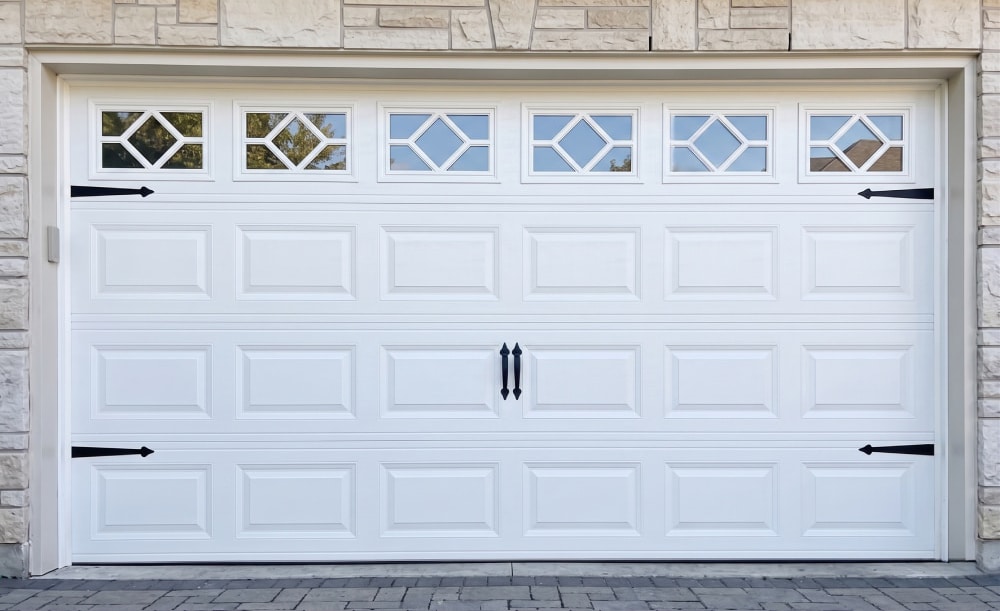
Cleaning the door, refreshing a manufacturer-approved finish, and choosing coordinated decorative handles or hinge accents can improve its appearance. Compatible window inserts may also change the look of an existing window section. Match accessories to the door material and style, and make sure added hardware does not interfere with movement, seals, or safety equipment.
Where can I buy garage door inserts?
Decorative window inserts can be sourced through the door manufacturer, an authorized garage door dealer, or a supplier that carries parts for your specific door series. Match the model, window frame dimensions, and attachment system; inserts are not universally interchangeable. Ask a professional to confirm compatibility before ordering, especially if the work involves glass or changes to a door section.
Ends · CHARLIEOYDK721